Does SafeAssign Check for AI? SafeAssign vs Turnitin in 2026
SafeAssign and Turnitin get mentioned in the same breath so often that students assume they work the same way. They don't. The difference matters — especially if your institution uses SafeAssign and you're worried about AI detection.
What Is SafeAssign?
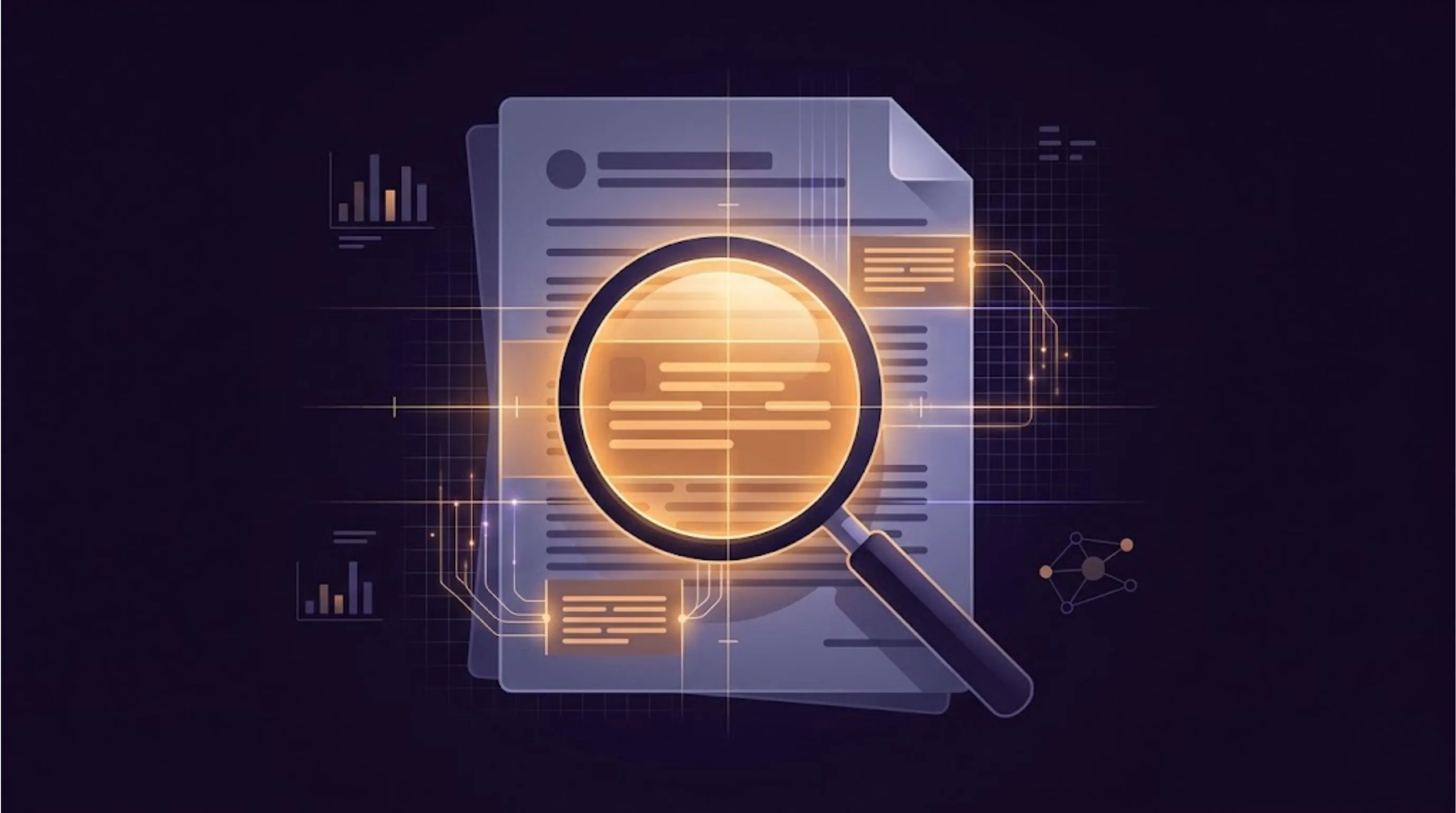
SafeAssign is Blackboard's built-in plagiarism detection tool. It's used primarily at institutions that run the Blackboard learning management system. Unlike Turnitin, which is a standalone third-party service, SafeAssign is integrated directly into Blackboard and included in the platform subscription.
It works by comparing submitted text against a database of internet content, published academic papers, and previously submitted student work. When a match is found, it generates a similarity score and highlights the matching sections.
Does SafeAssign Detect AI Writing?
As of 2026, SafeAssign does not have a dedicated AI writing detection feature.
It checks for plagiarism — matching your text against known sources. AI-generated text is not plagiarism in the traditional sense because it is not copied from a specific source. A ChatGPT response that has never been published anywhere will not match anything in SafeAssign's database and will return a low similarity score.
This is the key distinction: SafeAssign detects copying. It does not detect machine-generated writing.
How Is This Different from Turnitin?
Turnitin added AI writing detection in 2023. It now generates both a similarity score (for plagiarism) and an AI writing percentage (for machine-generated content). These are two separate analyses running on the same document.
SafeAssign only produces a similarity score. There is no AI writing percentage, no sentence-level AI highlighting, and no probabilistic model assessing whether your writing was generated by a language model.
| Feature | SafeAssign | Turnitin |
|---|---|---|
| Plagiarism detection | ✅ Yes | ✅ Yes |
| AI writing detection | ❌ No | ✅ Yes (since 2023) |
| Sentence-level highlighting | Limited | Yes |
| Used via | Blackboard | Standalone / LMS integration |
Can SafeAssign Indirectly Flag AI Writing?
There is one indirect scenario worth knowing about.
If AI-generated text closely matches published content — for example, if ChatGPT produces a paragraph that closely resembles a Wikipedia article or a widely available source — SafeAssign may flag that as a similarity match. This is not AI detection. It is plagiarism detection catching a coincidental overlap between AI output and an existing source.
This happens rarely with well-prompted AI output but is worth being aware of, particularly for factual or definitional content where AI tends to produce text similar to common reference sources.
Does Your Instructor Check for AI Separately?
Even if SafeAssign doesn't flag AI writing, your instructor might.
Many instructors now use independent AI detection tools alongside their institution's plagiarism software. GPTZero, Originality.ai, and Copyleaks are all free or low-cost enough for individual instructors to use on their own. An instructor who suspects AI use can run your submission through any of these tools independently, regardless of what SafeAssign reports.
Some instructors also rely on qualitative judgment — noticing when writing style shifts dramatically between a submission and in-class work, or when an essay is unusually polished but lacks the specific personal detail that comes from genuine engagement with the material.
What About Blackboard Ultra?
Blackboard has been migrating institutions to its newer Blackboard Ultra platform. As of 2026, SafeAssign functionality in Blackboard Ultra remains focused on plagiarism detection. Blackboard has not announced a native AI writing detection feature comparable to Turnitin's.
If your institution uses Blackboard Ultra, the same principle applies — SafeAssign checks for source matching, not AI authorship.
What Students Should Actually Be Concerned About
The absence of AI detection in SafeAssign does not mean AI use is undetectable at SafeAssign-using institutions. It means the automated layer is thinner.
The real risks are instructor-level detection using independent tools, and policy-level consequences that don't require detection at all. Most academic integrity policies now explicitly prohibit unauthorised AI use regardless of whether it is technically detected. If your assignment guidelines prohibit AI assistance, submitting AI-generated work violates policy whether or not SafeAssign catches it.
The practical approach is straightforward. Know your institution's AI policy. Know whether your instructor uses independent detection tools. And if you use AI as part of your writing process, ensure the final submission genuinely reflects your own understanding and voice.
If you want to check how your writing scores before submitting, LegitWrite's AI Detector gives you a per-section breakdown of AI probability — the same kind of analysis your instructor might run independently, so you can see what they would see.
The Bottom Line
SafeAssign does not check for AI writing in 2026. It detects plagiarism from known sources, and AI-generated text typically does not match known sources closely enough to trigger it.
But that does not make AI use invisible. Turnitin-using institutions have direct AI detection. Instructors at any institution can use independent tools. And policy violations exist independently of technical detection.
Knowing the difference between SafeAssign and Turnitin is useful context. It should not be read as a green light.